Tony Accardo, also known as “Joe Batters” and “Big Tuna,” was a fascinating figure in the history of organized crime. Born Antonino Leonardo Accardo on April 28, 1906, in Chicago, he rose from humble beginnings to become one of the most powerful mob bosses in American history2.
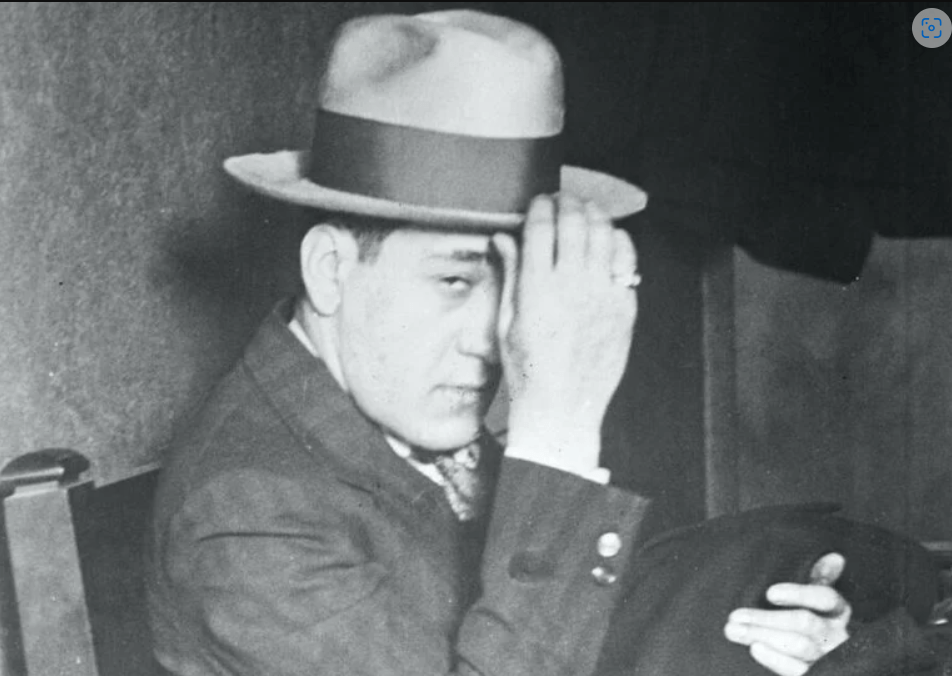
Accardo’s criminal career began in his teenage years when he joined a local gang in Chicago. His loyalty and ruthlessness caught the attention of Al Capone, who brought him into the Chicago Outfit. Accardo earned his nickname “Joe Batters” after reportedly using a baseball bat to eliminate traitors within the organization2.
During his tenure, Accardo played a key role in expanding the Outfit’s operations. He moved the organization into new territories and ventures, including gambling, counterfeiting, and cigarette smuggling. Unlike his predecessor, Al Capone, Accardo preferred to operate from the shadows, which helped him avoid the limelight and legal troubles3.
One of Accardo’s most notable achievements was his ability to maintain control over the Chicago Outfit for decades. He was known for his strategic mind and calm demeanor, which earned him respect and loyalty within the organization. Despite his long career in organized crime, Accardo managed to avoid significant jail time, spending only one night behind bars3.
Accardo’s influence extended beyond Chicago, as he invested in casinos in Las Vegas and Havana and https://sl.bing.net/eNcFUsOLK3gexpanded the Outfit’s reach into non-traditional territories like Iowa and Oklahoma. His leadership style and ability to adapt to changing times solidified his legacy as one of the most successful mob bosses in history.
What were some key events in Accardo’s career?
Tony Accardo’s career was marked by several pivotal events that defined his legacy in organized crime:
- Joining Al Capone’s Crew: Accardo started as a bodyguard and enforcer for Al Capone during Prohibition. His loyalty and ruthlessness earned him the nickname “Joe Batters” after reportedly using a baseball bat to eliminate traitors.
- The St. Valentine’s Day Massacre: While Accardo claimed involvement in this infamous 1929 event, where seven members of a rival gang were killed, most experts believe his role was peripheral.
- Becoming Boss of the Chicago Outfit: In 1947, Accardo rose to the position of day-to-day boss of the Chicago Outfit. He expanded its operations into new territories and ventures, including gambling and cigarette smuggling2.
- Avoiding Legal Trouble: Despite his long career in organized crime, Accardo was known for his ability to evade significant jail time. He spent only one night behind bars throughout his life.
- The Burglary Retaliation: In the late 1970s, burglars targeted Accardo’s suburban estate. In response, he orchestrated a bloody purge of the crew responsible, showcasing his ruthless control.
- Expanding the Outfit’s Influence: Under his leadership, the Chicago Outfit extended its reach into non-traditional territories like Iowa and Oklahoma and invested in casinos in Las Vegas and Havana.
Tony Accardo’s leadership had a profound and lasting impact on modern organized crime, particularly through his strategic approach and ability to adapt to changing times. Here are some key ways his influence shaped the underworld:
- Diversification of Criminal Enterprises: Accardo expanded the Chicago Outfit’s operations beyond traditional rackets like bootlegging and gambling. He ventured into new areas such as labor union manipulation, cigarette smuggling, and even legitimate businesses, setting a precedent for organized crime groups to diversify their income streams.
- Decentralized Leadership: Unlike his predecessors, Accardo preferred to operate behind the scenes, delegating day-to-day operations to trusted lieutenants. This decentralized approach made the organization more resilient and less vulnerable to law enforcement crackdowns.
- Focus on Secrecy and Low Profile: Accardo avoided the flamboyant lifestyle that had brought unwanted attention to figures like Al Capone. His emphasis on discretion became a model for future mob bosses, helping them evade law enforcement scrutiny.
- Expansion into New Territories: Under Accardo’s leadership, the Chicago Outfit extended its influence beyond Chicago, reaching into Las Vegas, Havana, and even smaller markets like Iowa and Oklahoma. This expansion demonstrated the potential for organized crime to operate on a national and international scale.
- Integration with Legitimate Businesses: Accardo’s investments in legitimate enterprises blurred the lines between legal and illegal activities, a tactic that has been emulated by modern organized crime groups to launder money and gain social legitimacy.
Accardo’s strategic mind and adaptability not only solidified his control over the Chicago Outfit but also set a template for how organized crime could evolve and thrive in the modern era. His legacy continues to influence the structure and operations of criminal organizations today.
Tony Accardo stood out among mob leaders of his era for his strategic brilliance, adaptability, and ability to maintain a low profile. Here’s how he compared to some of his contemporaries:
- Al Capone: While Capone was flamboyant and drew significant public and law enforcement attention, Accardo operated discreetly. This approach allowed him to avoid the legal troubles that plagued Capone, who was ultimately imprisoned for tax evasion.
- Lucky Luciano: Like Luciano, who restructured the Mafia into a national syndicate, Accardo was a visionary. He expanded the Chicago Outfit’s operations into new territories and diversified its activities, ensuring its longevity and success.
- Meyer Lansky: Both Accardo and Lansky were known for their financial acumen. Accardo’s investments in legitimate businesses and ventures like Las Vegas casinos mirrored Lansky’s strategy of blending legal and illegal enterprises.
- Frank Costello: Costello, known as the “Prime Minister of the Underworld,” shared Accardo’s preference for diplomacy over violence. Both leaders emphasized strategic alliances and avoided unnecessary bloodshed to maintain their power.
Accardo’s ability to adapt to changing times and his focus on secrecy set him apart as one of the most successful and enduring mob bosses in history. His leadership style became a model for organized crime leaders who sought to balance power with discretion. Let me know if you’d like to explore any of these comparisons further!
 "The Underworld Observer."
Leave a comment