In 1992, as a freshly minted Vice President of Integrated Telecommunications, an ISDN Independent subscriber of AT&T, I found myself on a rollercoaster ride I never anticipated. Our office was strategically located in Oklahoma City, near the airport and conveniently across from the United States Marshals office. I was 31 years old, ready to make my mark, and completely unaware of the whirlwind heading my way.
One day, while reviewing our accounts receivables, I stumbled upon several irregularities. Curious and suspicious, I contacted our Miami office accountant, who revealed that he was wanted by New York authorities to testify against the infamous Gambino crime family. This revelation set the stage for what was to come.
As I dug deeper, I discovered that our prestigious clients—including several South American airlines, embassies, and even the New York Metropolitan Opera—had been paying their bills on time, but their payments were mysteriously diverted. This led me to our Joplin, Missouri billing office, where I uncovered a scheme involving the Independent long distance Miami office manager diverting payments into their own pockets.
Armed with this information, I confronted the company’s Co-Chairmen. Suspicion loomed large, particularly with the recent hire of a man from the Miami office as the President of Integrated Telecommunications. My wife and I took a trip to Dallas under the guise of a honeymoon to investigate further.
In Dallas, we met the President’s associates at a country club. Frankie Corleone a short Italian man resembling Danny DeVito, regaled us with tales of his New York upbringing, his illicit activities, and his impressive gun collection. His stories were as colorful as the President’s wife’s Jersey girl bouffant-haired.
As the night progressed, I couldn’t shake the eerie feeling from Norman, a man who gave me cold glares as he sat behind Frankie throughout the evening. Unbeknownst to me, Norman was hired by my bosses to protect my wife and me, his intense stare a silent warning to tread carefully. As we stood to leave, Norman came up to me and said with an intimidating tone Kent I have a brother that’s a professor at the university and I might come and pay you a visit. And at the time I took it as a threat but later found out he was trying to tell me to shut up. So on the way out to the parking lot I was still talking to Frankie and in his tipsy state he felt he that he divulged to much when we reach his car he opened the trunk he said to show me something and started to reach in and open this chrome suitcase he partially opened it and my wife and I noticed he had a handgun a tube next to it which looked like a silencer before he was able to open it all the way Norman reached down and shut it. And made an excuse why we needed to leave.
Back in Oklahoma City, I presented my findings to the owners. The atmosphere was thick with tension, and the truth unraveled in dramatic fashion. The President and his Miami cohorts were fired, but not without threats and intimidation. It turned out Frankie was a hitman, and Norman, our silent protector, knew it all along.
Our legal battle began, and the stress took its toll on the owners—one suffered a fatal heart attack, and the other endured a quadruple bypass. With their blessings, I took over temporarily. The federal trial in Oklahoma City’s impressive courthouse was our stage. We won the case, reclaimed some of the diverted funds, and the owner sold the company and retired.
Threats from the Miami gangsters persisted they would call and tell the owner and I that they were going to cut my tough out for talking to much or kill my family during this time both my boss and I carried guns for protection also it helped that the U.S Marshals main OKC office was right across the hall from ours these threats persisted until my brother-in-law, a U.S. Deputy Marshal, intervened. His stern warning silenced the threats, bringing an end to a chapter that was as dangerous as it was unforgettable.
-

“Paul ‘Red’ Dorfman: The Union Kingpin Behind the Chicago Outfit”
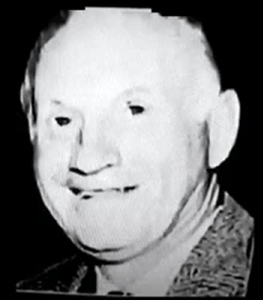
Paul “Red” Dorfman was born in 1901 and rose from humble beginnings to become a significant figure in both the labor union world and organized crime. His early life in Chicago shaped his path, as he became involved in the Chicago Waste Handlers Union. By the 1940s, he had climbed the ranks to become the union’s secretary-treasurer, a position that gave him considerable influence.
Dorfman was known for his ability to bridge the gap between labor unions and the Chicago Outfit, the city’s dominant organized crime syndicate. His connections to mob figures like Tony Accardo and his mentorship of Jimmy Hoffa were pivotal in his rise to power. Dorfman played a key role in introducing Hoffa to influential mobsters, which helped Hoffa consolidate pow
Paul “Red” Dorfman played a critical role in forging the link between the Teamsters Union and organized crime, serving as a key intermediary who bridged the worlds of legitimate labor leadership and the underworld. His position as the head of the Chicago Waste Handlers Union in the 1940s provided him with the influence and connections to serve as a conduit for the Chicago Outfit’s interests.
Dorfman’s rise to prominence put him in a prime position to introduce influential figures within the Teamsters Union—most notably Jimmy Hoffa—to organized crime leaders. Hoffa, who sought to consolidate power and expand the Teamsters’ reach, found a willing mentor in Dorfman. It was through Dorfman’s connections that Hoffa gained access to mob figures, securing alliances that allowed the Teamsters to grow while serving as a financial resource for the mob.

One of the key intersections of their collaboration was the misuse of the Teamsters’ pension fund. Under Dorfman’s guidance and Hoffa’s leadership, the pension fund was funneled into investments that benefited organized crime, including casinos in Las Vegas. This mutually beneficial relationship helped the Chicago Outfit and other mob families expand their financial operations, while providing the union with added muscle and influence.
Dorfman’s ties also extended to Jack Ruby, whom he reportedly mentored before Ruby became infamous for killing Lee Harvey Oswald. This connection underscored Dorfman’s extensive reach and his ability to navigate between the spheres of labor, organized crime, and broader national events.
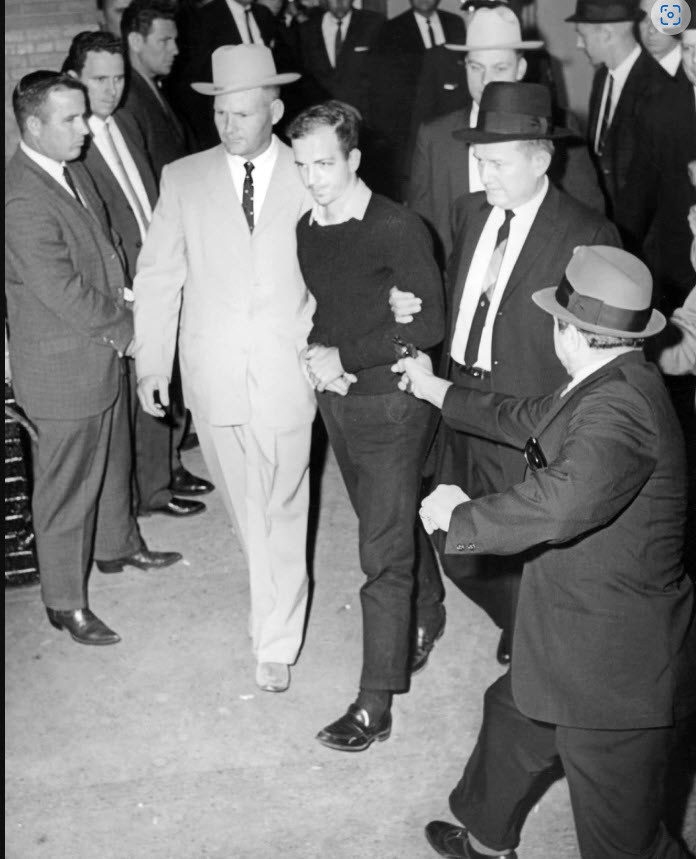
Despite his reputation as a behind-the-scenes operator, Paul “Red” Dorfman’s legacy is deeply intertwined with the darker chapters of American labor history. His alliances with Jimmy Hoffa and the Chicago Outfit marked an era when unions and the mob were intricately connected, shaping the dynamics of both worlds for decades.
In his later years, Paul “Red” Dorfman continued to wield influence through his connections to the Chicago Outfit and the Teamsters Union. However, his reputation became increasingly tarnished due to allegations of corruption and misuse of union funds. He faced scrutiny for his role in funneling money from the Teamsters’ pension fund into ventures that benefited organized crime, including casinos and other enterprises.
Dorfman passed away in 1971, but his legacy remained controversial. His son, Allen Dorfman, carried on his connections to the Teamsters and the mob, eventually becoming a central figure in the misuse of the pension fund. Allen’s murder in 1983 further underscored the dangerous intersection of organized crime and labor unions.
-
“Tony Accardo: The Mastermind Who Revolutionized the Mob”
Tony Accardo, also known as “Joe Batters” and “Big Tuna,” was a fascinating figure in the history of organized crime. Born Antonino Leonardo Accardo on April 28, 1906, in Chicago, he rose from humble beginnings to become one of the most powerful mob bosses in American history2.
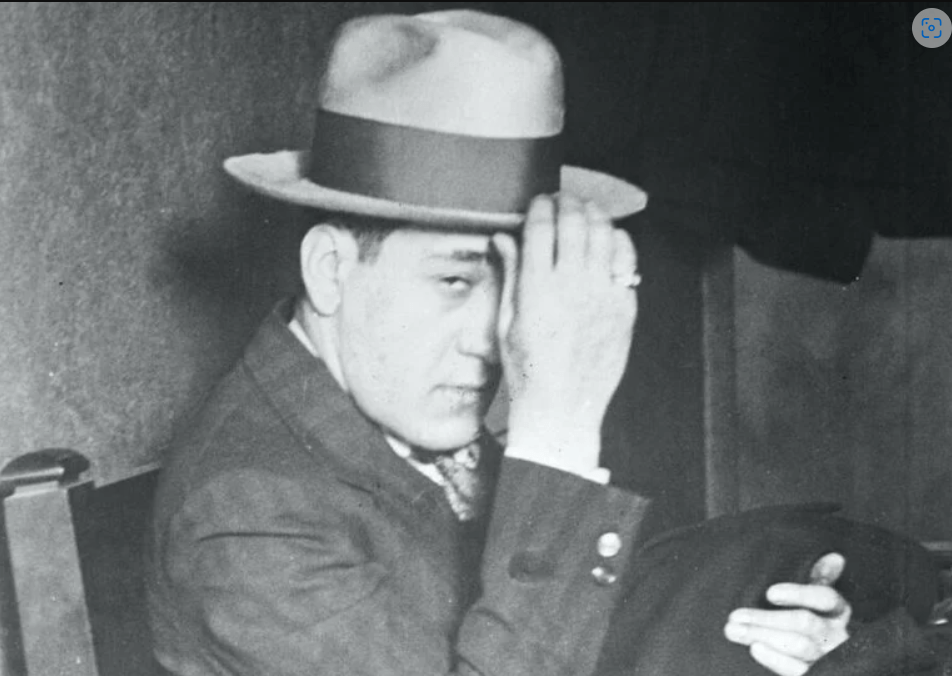
Accardo’s criminal career began in his teenage years when he joined a local gang in Chicago. His loyalty and ruthlessness caught the attention of Al Capone, who brought him into the Chicago Outfit. Accardo earned his nickname “Joe Batters” after reportedly using a baseball bat to eliminate traitors within the organization2.
During his tenure, Accardo played a key role in expanding the Outfit’s operations. He moved the organization into new territories and ventures, including gambling, counterfeiting, and cigarette smuggling. Unlike his predecessor, Al Capone, Accardo preferred to operate from the shadows, which helped him avoid the limelight and legal troubles3.
One of Accardo’s most notable achievements was his ability to maintain control over the Chicago Outfit for decades. He was known for his strategic mind and calm demeanor, which earned him respect and loyalty within the organization. Despite his long career in organized crime, Accardo managed to avoid significant jail time, spending only one night behind bars3.
Accardo’s influence extended beyond Chicago, as he invested in casinos in Las Vegas and Havana and https://sl.bing.net/eNcFUsOLK3gexpanded the Outfit’s reach into non-traditional territories like Iowa and Oklahoma. His leadership style and ability to adapt to changing times solidified his legacy as one of the most successful mob bosses in history.
What were some key events in Accardo’s career?
Tony Accardo’s career was marked by several pivotal events that defined his legacy in organized crime:
- Joining Al Capone’s Crew: Accardo started as a bodyguard and enforcer for Al Capone during Prohibition. His loyalty and ruthlessness earned him the nickname “Joe Batters” after reportedly using a baseball bat to eliminate traitors.
- The St. Valentine’s Day Massacre: While Accardo claimed involvement in this infamous 1929 event, where seven members of a rival gang were killed, most experts believe his role was peripheral.
- Becoming Boss of the Chicago Outfit: In 1947, Accardo rose to the position of day-to-day boss of the Chicago Outfit. He expanded its operations into new territories and ventures, including gambling and cigarette smuggling2.
- Avoiding Legal Trouble: Despite his long career in organized crime, Accardo was known for his ability to evade significant jail time. He spent only one night behind bars throughout his life.
- The Burglary Retaliation: In the late 1970s, burglars targeted Accardo’s suburban estate. In response, he orchestrated a bloody purge of the crew responsible, showcasing his ruthless control.
- Expanding the Outfit’s Influence: Under his leadership, the Chicago Outfit extended its reach into non-traditional territories like Iowa and Oklahoma and invested in casinos in Las Vegas and Havana.
Tony Accardo’s leadership had a profound and lasting impact on modern organized crime, particularly through his strategic approach and ability to adapt to changing times. Here are some key ways his influence shaped the underworld:
- Diversification of Criminal Enterprises: Accardo expanded the Chicago Outfit’s operations beyond traditional rackets like bootlegging and gambling. He ventured into new areas such as labor union manipulation, cigarette smuggling, and even legitimate businesses, setting a precedent for organized crime groups to diversify their income streams.
- Decentralized Leadership: Unlike his predecessors, Accardo preferred to operate behind the scenes, delegating day-to-day operations to trusted lieutenants. This decentralized approach made the organization more resilient and less vulnerable to law enforcement crackdowns.
- Focus on Secrecy and Low Profile: Accardo avoided the flamboyant lifestyle that had brought unwanted attention to figures like Al Capone. His emphasis on discretion became a model for future mob bosses, helping them evade law enforcement scrutiny.
- Expansion into New Territories: Under Accardo’s leadership, the Chicago Outfit extended its influence beyond Chicago, reaching into Las Vegas, Havana, and even smaller markets like Iowa and Oklahoma. This expansion demonstrated the potential for organized crime to operate on a national and international scale.
- Integration with Legitimate Businesses: Accardo’s investments in legitimate enterprises blurred the lines between legal and illegal activities, a tactic that has been emulated by modern organized crime groups to launder money and gain social legitimacy.
Accardo’s strategic mind and adaptability not only solidified his control over the Chicago Outfit but also set a template for how organized crime could evolve and thrive in the modern era. His legacy continues to influence the structure and operations of criminal organizations today.
Tony Accardo stood out among mob leaders of his era for his strategic brilliance, adaptability, and ability to maintain a low profile. Here’s how he compared to some of his contemporaries:
- Al Capone: While Capone was flamboyant and drew significant public and law enforcement attention, Accardo operated discreetly. This approach allowed him to avoid the legal troubles that plagued Capone, who was ultimately imprisoned for tax evasion.
- Lucky Luciano: Like Luciano, who restructured the Mafia into a national syndicate, Accardo was a visionary. He expanded the Chicago Outfit’s operations into new territories and diversified its activities, ensuring its longevity and success.
- Meyer Lansky: Both Accardo and Lansky were known for their financial acumen. Accardo’s investments in legitimate businesses and ventures like Las Vegas casinos mirrored Lansky’s strategy of blending legal and illegal enterprises.
- Frank Costello: Costello, known as the “Prime Minister of the Underworld,” shared Accardo’s preference for diplomacy over violence. Both leaders emphasized strategic alliances and avoided unnecessary bloodshed to maintain their power.
Accardo’s ability to adapt to changing times and his focus on secrecy set him apart as one of the most successful and enduring mob bosses in history. His leadership style became a model for organized crime leaders who sought to balance power with discretion. Let me know if you’d like to explore any of these comparisons further!
-
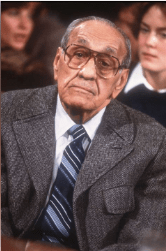
The Life and Times of Joseph Lombardo: From Youth to Infamy
Early Life: Joseph Patrick Lombardo, born Giuseppe Lombardi on January 1, 1929, in Chicago, Illinois, was one of 11 children in a family of Italian immigrants. His father, Mike Lombardi, was a butcher, and his mother, Carmela Lombardi, was a homemaker. Growing up in a bustling household, young Joseph quickly learned the value of resourcefulness and resilience. However, his academic journey was short-lived as he dropped out of high school and soon found himself drawn to the allure of the streets.

Entry into the Underworld: In the 1950s, Lombardo joined the Chicago Outfit, a powerful crime organization. He started his criminal career as a jewel thief and a juice loan collector. His knack for evading the law earned him a reputation, and by the late 1960s, he was considered an “up-and-comer” in the Outfit. Lombardo’s rise to prominence was marked by his involvement in various illegal activities, including kidnapping and loan sharking, although he managed to avoid convictions in his early years1.
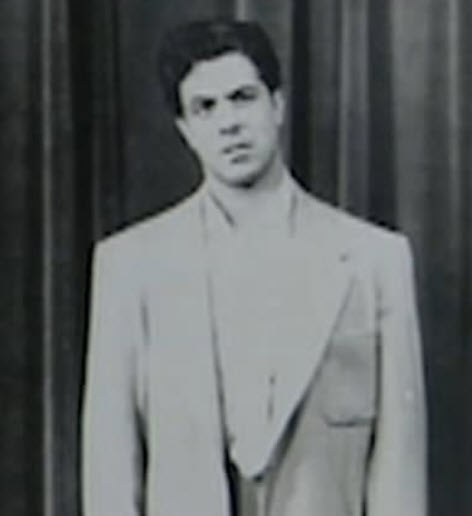
Bribery and Skimming Convictions: Lombardo’s criminal exploits reached new heights in the 1980s. In 1982, he was convicted of bribing a Nevada state senator to block a trucking deregulation bill, resulting in a 15-year prison sentence. Just a few years later, in 1986, he was convicted of skimming over $2 million from several Las Vegas casinos, adding another 10 years to his prison term1. Despite these convictions, Lombardo maintained his influence within the Outfit and continued to be a significant figure in organized crime.
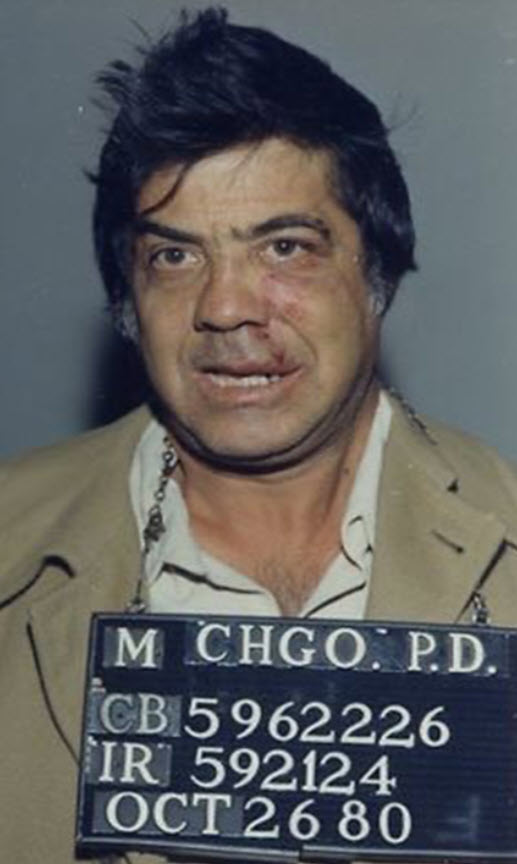
The Family Secrets Trial: In 2005, Lombardo was indicted as part of the federal government’s Operation Family Secrets investigation, which aimed to solve numerous mob-related murders. Facing charges of racketeering, extortion, loan sharking, and murder, Lombardo went on the run, becoming a fugitive. His time on the lam was marked by a series of letters he sent to his lawyer, proclaiming his innocence and requesting a separate trial1. After eight months, he was captured by the FBI in January 2006.
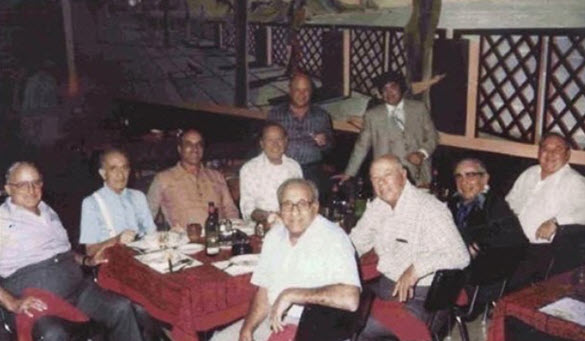
Conviction and Imprisonment: Lombardo’s trial was a high-profile affair, and in 2007, he was convicted of multiple charges, including the 1974 murder of Daniel Seifert. He was sentenced to life in prison in 20091. Despite his incarceration, Lombardo continued to profess his innocence, claiming he had no involvement in the crimes for which he was convicted.
Final Years and Death: Lombardo spent his final years in the ADX Florence supermax prison in Colorado. His health deteriorated over time, and he suffered from various ailments, including heart disease and throat cancer. On October 19, 2019, Joseph Lombardo passed away at the age of 901. His death marked the end of an era for the Chicago Outfit and closed the chapter on one of the most colorful and notorious figures in organized crime history.


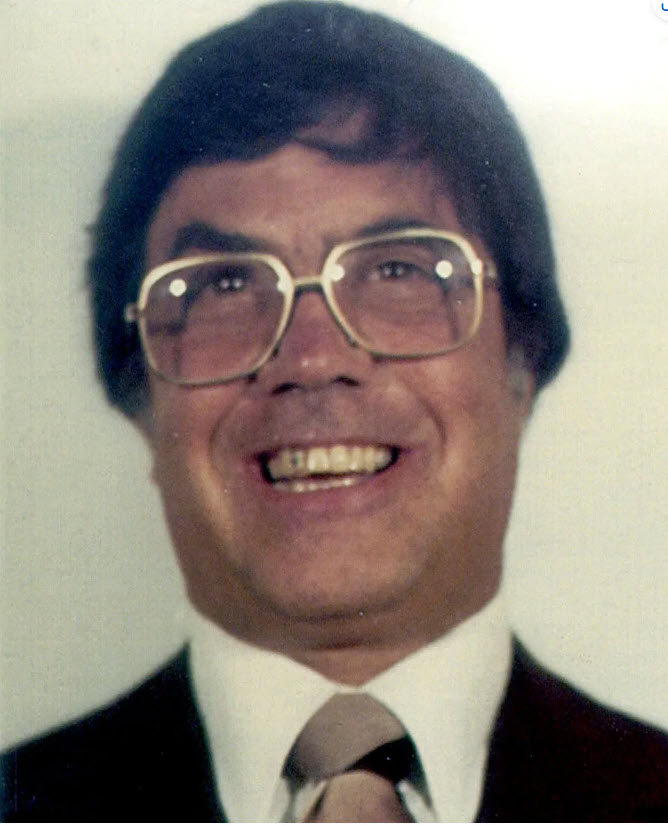
"Exploring the unseen side of mob culture and crime stories."
-
Salvatore “Solly D” DeLaurentis: The Man Behind the Denials
Salvatore “Solly D” DeLaurentis is a notable figure in the Chicago Outfit, an Italian-American Mafia crime family based in Chicago. The Outfit has a long history of organized crime activities, including racketeering, extortion, and illegal gambling.
John Difronzo, also known as “No Nose,” was a reputed boss of the Chicago Outfit until he died in 2018. Following his passing, there were speculations about who would take over the leadership. Salvatore DeLaurentis, often referred to as “Solly D,” was considered a potential successor due to his high-ranking position within the organization. However, DeLaurentis has consistently denied being the new boss, claiming that he is no longer involved in any criminal activities and is now in the carpet cleaning business.
Early Life and Rise in the Outfit
Born and raised in Chicago, Salvatore DeLaurentis entered the world of organized crime at a young age. He quickly rose through the ranks of the Chicago Outfit, earning a reputation for his cunning and ruthlessness. His involvement in various criminal activities solidified his position within the organization.
Criminal Activities
DeLaurentis was known for his involvement in racketeering, extortion, and tax fraud. One of the most notable incidents was his role in a large-scale extortion operation that targeted local businesses. His ability to orchestrate such operations made him a key figure in the Outfit’s hierarchy.
Prison Time
In the late 1990s, DeLaurentis was convicted of racketeering, extortion, and tax fraud. He served a lengthy sentence in federal prison, during which time he maintained his influence within the Outfit. His incarceration did little to diminish his standing, and he continued to be a significant player in the organization’s activities.
Post-Prison Life
After his release from federal prison in 2006, DeLaurentis claimed to have left the criminal world behind. He started a carpet cleaning business, which he often references in interviews to distance himself from his past. Despite these claims, law enforcement continues to monitor his activities closely.
Law Enforcement Surveillance
DeLaurentis remains under the watchful eye of law enforcement, who suspect that he may still be involved in organized crime. His denials of being the new boss of the Chicago Outfit have done little to quell these suspicions, and he remains a person of interest in ongoing investigations.
Personal Life
Beyond his criminal activities, Salvatore DeLaurentis is a family man. He often speaks about his love for his family and his desire to lead a quiet life. These personal anecdotes humanize him, painting a picture of a man who is more than just his criminal past.
Reputation and Influence
Within the criminal world, DeLaurentis is respected and feared. His influence on the Chicago Outfit is undeniable, and his reputation as a ruthless operator precedes him. Public perception, however, is mixed. Some view him as a remnant of a bygone era of organized crime, while others see him as a man trying to leave his past behind.
Quotes and Interviews
In various interviews, DeLaurentis has consistently denied being involved in any current criminal activities. He often speaks about his desire to lead a legitimate life and his frustration with being under constant surveillance. These quotes provide insight into his mindset and his attempts to distance himself from his past.

 "The Underworld Observer."
Leave a comment